
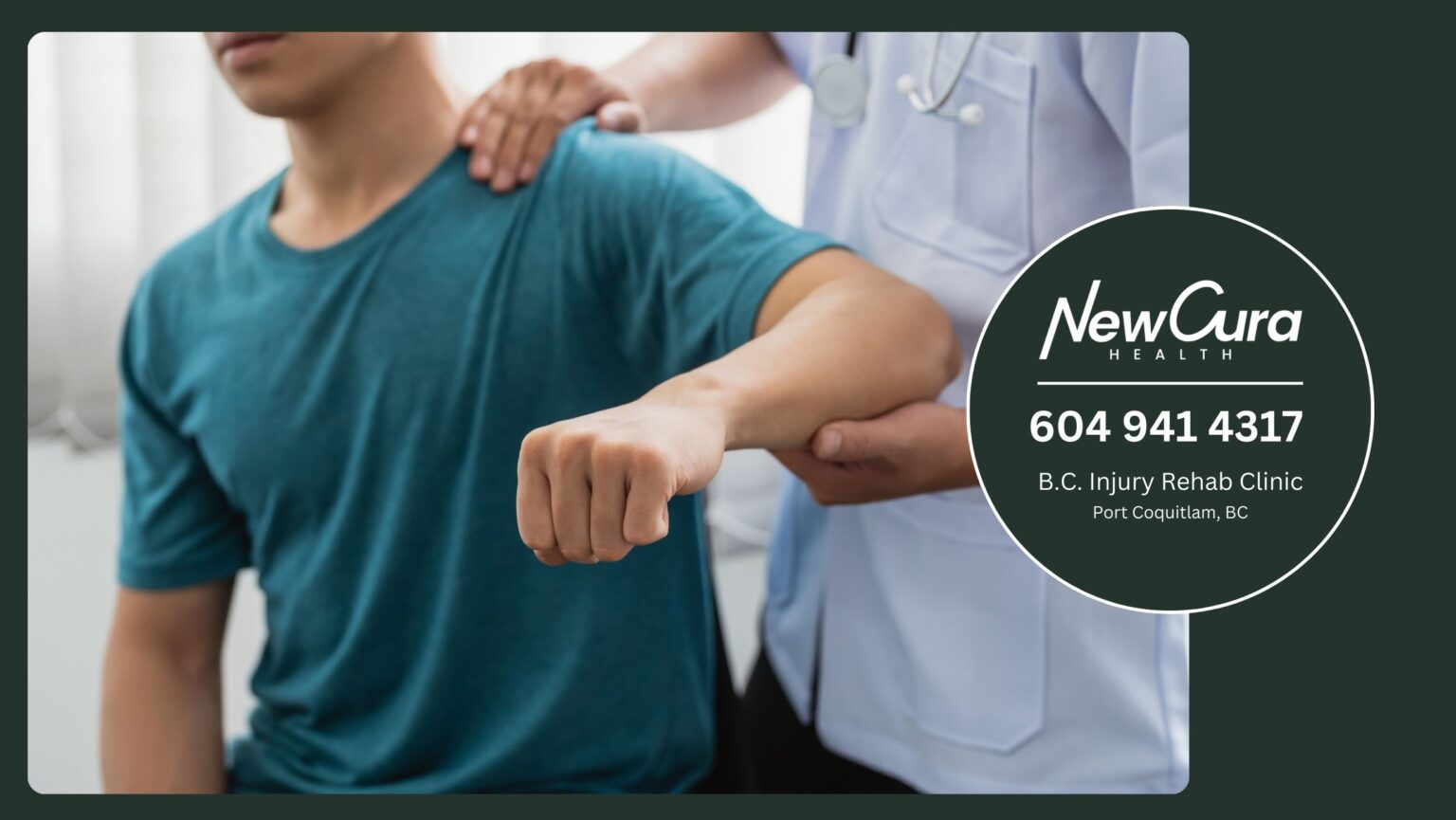
Rehabilitation is a crucial part of recovery, whether you’re recovering from an injury, surgery, or dealing with chronic pain. The body needs to regain its strength, flexibility, and mobility, and sometimes, that requires a specialized approach. Kinesiology, the science of human movement, is an essential tool in rehabilitation. Through tailored exercise programs and movement therapies, kinesiology helps promote healing, restore function, and improve overall well-being.
In this blog post, we will explore how kinesiology can support rehabilitation and provide a deeper understanding of its importance in recovery.
What is Kinesiology?
Kinesiology focuses on the study of human movement and how the body performs physical activities. It involves understanding the muscles, joints, bones, and the nervous system to assess the way the body moves and functions. Kinesiologists use this knowledge to develop personalized treatment plans aimed at improving movement patterns, enhancing physical performance, and rehabilitating injuries.
Kinesiology is not just about exercise; it also incorporates techniques such as stretching, strengthening, mobility exercises, and pain management to assist in the rehabilitation process.
How Kinesiology Supports Rehabilitation
- Personalized Exercise Programs
Every injury, surgery, or health condition is unique, and so is the rehabilitation process. Kinesiologists assess each individual’s needs and develop customized exercise programs that are specifically designed to promote healing. These exercises target the areas of the body that require attention, whether it’s strengthening muscles, improving flexibility, or restoring joint mobility.
For example, if you are recovering from knee surgery, a kinesiologist might develop a series of exercises to rebuild the strength of the muscles around your knee, improve your range of motion, and reduce swelling. The tailored approach ensures that the rehabilitation process is safe and effective, reducing the risk of reinjury and promoting faster recovery.
- Strengthening Weak Muscles
Muscle weakness is common after an injury or surgery. When muscles are not used for an extended period, they can weaken, making it harder to perform daily activities and increasing the risk of further injury. Kinesiology helps strengthen these muscles through resistance training, which not only speeds up recovery but also helps prevent future injuries.
By focusing on specific muscle groups that have weakened due to immobility or injury, kinesiology helps rebuild muscle strength. Whether it’s targeting core muscles, limbs, or stabilizing muscles, kinesiology works to restore balance and prevent muscle imbalances that may lead to further complications.
- Restoring Mobility and Flexibility
One of the primary goals of rehabilitation is to restore movement and flexibility. Injuries or surgeries can limit joint mobility, making it difficult to move freely. Kinesiologists use a variety of techniques, including stretching exercises, joint mobilization, and range-of-motion exercises, to help restore flexibility and improve joint function.
For example, for someone who has had a shoulder injury, a kinesiologist may guide you through stretches and mobility exercises designed to regain the full range of motion in the shoulder joint. These exercises are gradual and carefully planned to ensure you don’t overexert yourself, allowing for safe and effective rehabilitation.
- Pain Management and Recovery
Pain can be one of the most challenging aspects of rehabilitation. Chronic pain can delay recovery, prevent movement, and affect daily life. Kinesiology focuses on addressing pain through movement therapy. This can involve specific exercises to reduce muscle tension, promote circulation, and release endorphins that naturally alleviate pain.
Through techniques such as myofascial release, trigger point therapy, and gentle strengthening exercises, kinesiology helps reduce pain while promoting recovery. By targeting the root causes of pain and utilizing evidence-based practices, kinesiologists aim to reduce the need for medication, giving patients more natural and sustainable pain relief.
- Preventing Future Injuries
Rehabilitation is not just about recovering from an injury—it’s also about preventing future problems. Kinesiologists take a proactive approach by identifying and addressing areas of weakness, instability, or improper movement patterns that may lead to reinjury. By strengthening key muscle groups, correcting posture, and promoting balanced movement, kinesiology helps ensure that patients recover fully and are less likely to experience the same injury in the future.
For instance, if you’ve previously injured your ankle, a kinesiologist will focus on exercises to enhance ankle stability and strength, preventing future sprains and promoting proper gait mechanics.
- Improving Overall Function
Ultimately, the goal of rehabilitation is to return to regular activities and achieve a higher quality of life. Kinesiology helps by improving overall physical function. This includes enhancing endurance, balance, coordination, and overall body mechanics. Whether it’s getting back to playing sports, doing household chores, or simply walking around, kinesiology helps patients regain full functionality in their bodies.
Through functional movement exercises, kinesiologists help patients progress in their recovery and improve their daily living skills.
Kinesiology for Rehabilitation in Port Coquitlam
If you are in Port Coquitlam and looking for rehabilitation support, kinesiology could be the key to your recovery. At NewCura Health, our team of experienced kinesiologists works with patients to develop personalized rehabilitation plans based on their specific needs and goals. Whether you’re recovering from an injury, surgery, or managing a chronic condition, our kinesiology services help you regain strength, mobility, and function.
We focus on a holistic approach to rehabilitation, addressing not only the physical aspects of recovery but also the mental and emotional well-being of our patients. Book a consultation with us today and let our team support your healing journey through the power of movement.